
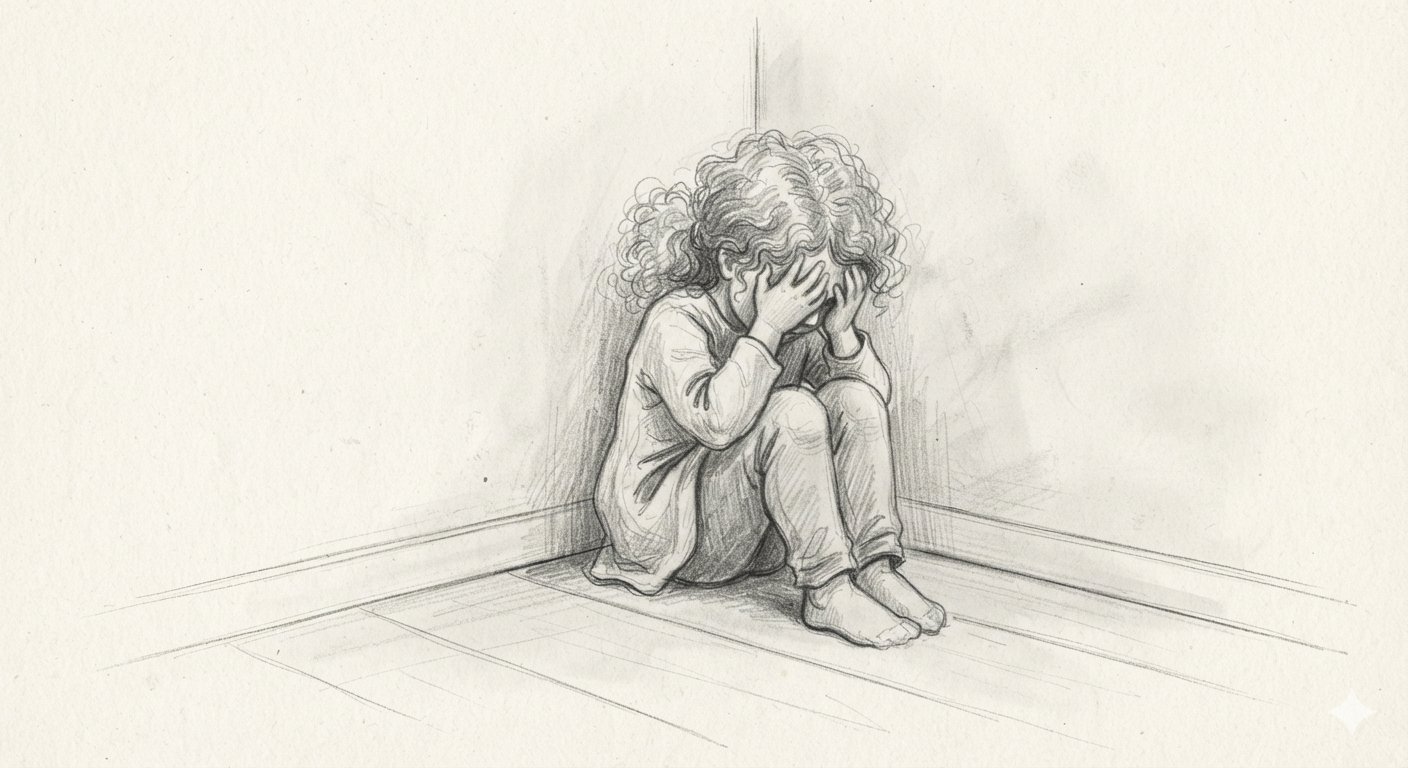
I used to be convinced I was born without an emotional steering wheel. For years, feelings weren’t just temporary moods; they were full-blown catastrophic weather events that hijacked my entire life. If anxiety showed up, it didn’t just knock on the door—it blew the roof off. What I didn’t know back then was that I wasn’t crazy or inherently defective; I was simply living inside a nervous system that had been wired for extreme survival before I was even old enough to ride a bike.
When you’re a child, your home is supposed to be a sanctuary. Mine was a battlefield. From the time I was six until I finally left at fifteen, my mother’s explosive rage dictated my reality. I can still recall the weight of her sitting on me, pinning me down while her nails dug into my skin. I remember her hands locked tight in my hair, slamming my head repeatedly into the hard floor while screaming in my face. You don’t just walk away from years of that kind of violence unharmed; your body logs every second of it and builds an emergency alarm system designed to keep you on high alert forever.
Inevitably, that raw trauma followed me straight into adulthood. Every minor disagreement, every tense conversation, or sudden change in plan felt like a life-or-death threat. My brain couldn’t distinguish between a bad day at work and being six years old on that cold, hard floor again. I spent decades locked in severe emotional dysregulation—flooding with panic, freezing in fear, or reacting with defense, only to be crushed by shame immediately afterward. I thought I was broken, completely unaware that my body was simply playing back old, desperate survival programs.
The shift didn’t happen overnight, but it started with one powerful realization: we are not our emotions. Feelings are not your identity; they are merely temporary chemical signals rolling through your nervous system based on old conditioning. When a wave of panic or anger hits, it isn’t you—it’s just information moving through you. Learning to regulate my nervous system and separate my core self from the emotional storm was the hardest, most necessary work of my life. I still have hard days—feelings can still catch me off guard—but I no longer let the storm drive the car.
If you are sitting there right now feeling consumed by your own feelings, please hear me: I get it. I’ve been in that dark, confusing place, and you are not broken for feeling overwhelmed. If you take away just one practical tool today to start regulating your emotions, let it be this: The moment you feel flooded, pause and take one slow breath with an exhale that is intentionally longer than your inhale. A long, extended exhale instantly communicates safety directly to your nervous system, slowing your heart rate and giving you the space to remember that you are the conscious space holding the emotion—never the emotion itself.
Leave a Reply